Subsea Communications and Monitoring

Subsea Communications and Monitoring
Applications
Underwater Data Monitoring Systems
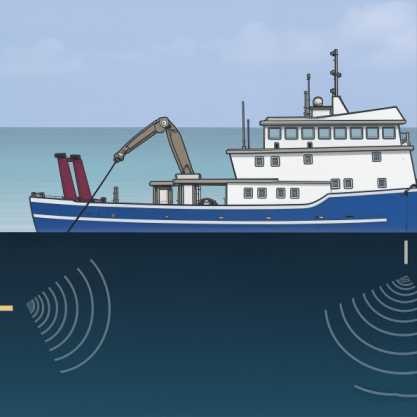
Subsea cables connect various marine sensors and monitoring systems to collect real time ocean environmental data, such as water quality, temperature, and flow velocity, and transmit this data to surface control systems.
Early Warning System/ Seismic Monitoring System
Subsea cables support disaster early warning systems, including deep sea seismic monitoring and tsunami warning, ensuring that data can be transmitted and alerts issued promptly in the event of earthquakes or tsunamis.
Technical Features
High Bandwidth and Low Latency
Ensures real-time data transmission for subsea communication systems, a critical requirement for disaster early warning and emergency response.
Strong Anti-Interference Capability
Subsea cables provide excellent electromagnetic interference (EMI) immunity, ensuring stable, clear, and accurate data transmission free from external noise.
Long-Distance Transmission Capability
Supports reliable communication over hundreds of kilometers, enabling uninterrupted data transfer between deep sea installations and shore based facilities.
High Pressure and Corrosion Resistance
Engineered to withstand extreme hydrostatic pressure and corrosive seawater environments, ensuring long-term operational reliability in harsh subsea conditions.
Related Cables
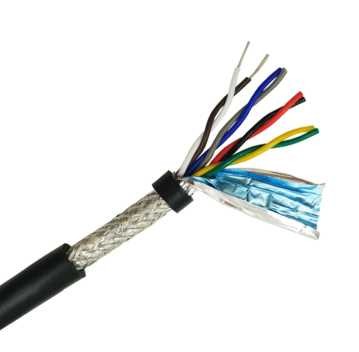
Underwater Ethernet (CAT6) Cable for Subsea Applications
High-speed, short-to-medium range data transmission between subsea nodes and sensors.
Typical Applications:
Underwater sensor arrays
Water quality monitoring systems
Subsea Hybrid Electro-Optical Cable
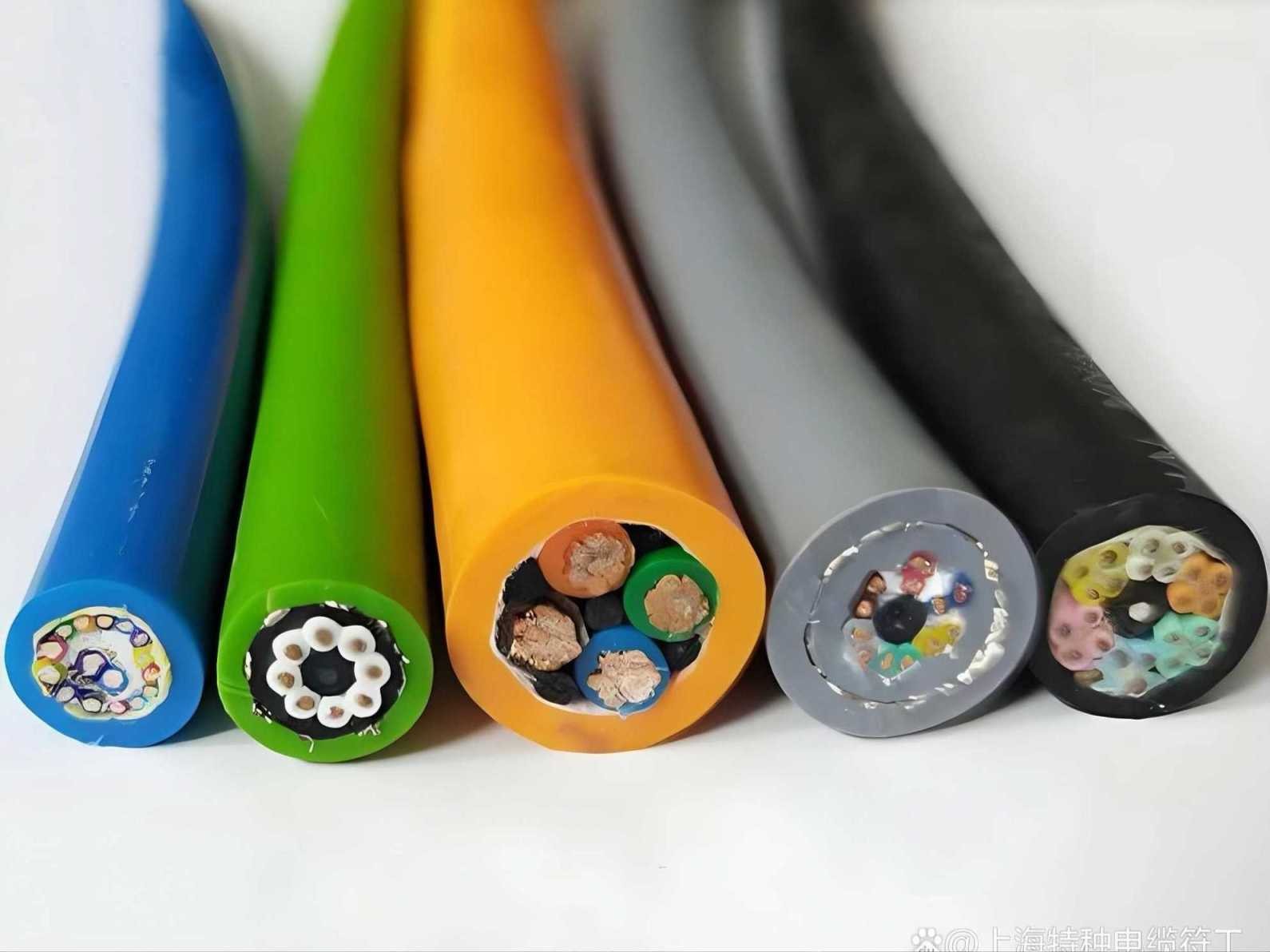
Main Transmission for Shore-to-Sea Floor Nodes
Typical Applications:
Seafloor Observation Networks,
Seismic Monitoring System Backbone Links
Seawater Resistant Control Cable
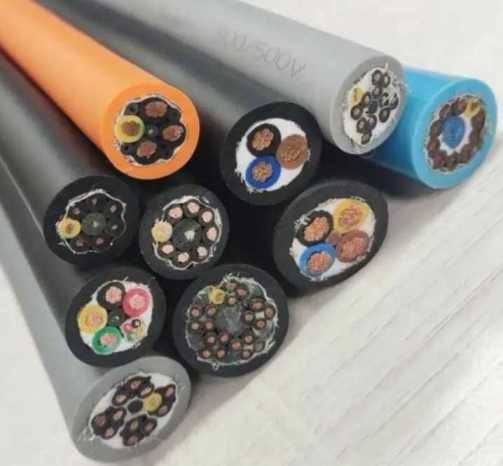
Reliable control signaling for subsea equipment in corrosive seawater environments.
Typical Applications:
ROV thrusters and manipulators
Subsea valve and actuator control
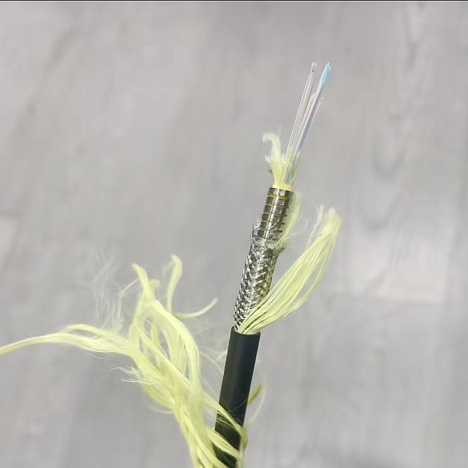
Long-distance, high-bandwidth backbone for distributed subsea monitoring and sensing.
Typical Applications:
Seismic monitoring arrays
Distributed acoustic/temperature sensing (DAS/DTS)
Customization Available, Contact Us
Subsea Communication and Monitoring
Subsea communication and monitoring systems play a critical role in modern marine research, resource exploration, and environmental monitoring. As physical links connecting subsea equipment to surface control centers, underwater cables serve the dual functions of power transmission and data transfer. Their primary role is to support the stable operation of equipment in complex environments such as deep sea exploration, ocean monitoring, and offshore oil and gas exploration.
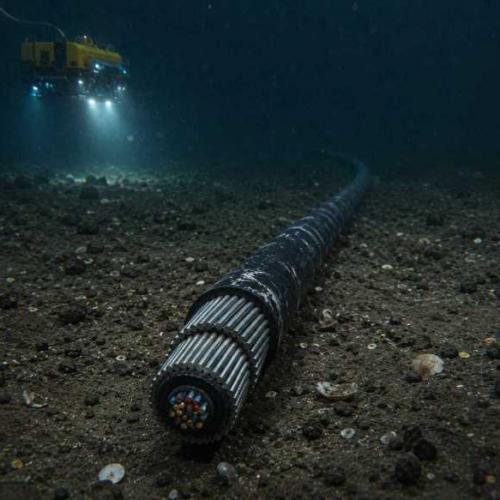
In application scenarios including Underwater Data Monitoring Systems and Early Warning System, underwater cables provide a stable physical connection between seabed sensors, observation platforms, and shore based control centers, enabling the transmission of acoustic data, visual information, and environmental parameters to the surface.
Compared to wireless methods such as underwater acoustic communication, underwater cables offer technical advantages in terms of transmission bandwidth, power supply capability, and operational stability. With appropriate protective structures, underwater cables can withstand high pressure and corrosive marine environments, supporting long term continuous operation of subsea equipment.