Underwater Vehicles
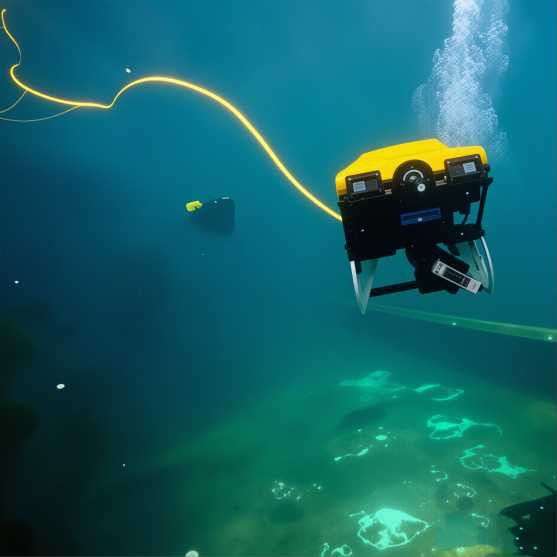

Umbilical Cables for Underwater Vehicles
Applications
Remote Operated Vehicles (ROV) Operations
Autonomous Underwater Vehicles (AUV) Missions
Hybrid Vehicle Systems (ROV/AUV interchangeable)
Technical Features
High Bandwidth Data Transmission
Supports the transmission of high-definition images, videos, and real time data, ensuring that accurate data collected during missions is transmitted promptly.
High-Pressure Tolerance
Underwater cables are designed to withstand the extreme pressure of deep sea environments, ensuring that robots can function stably even at depths of thousands of meters.
Remote Control
Underwater cables enable remote control and real-time feedback, ensuring that robots can perform complex tasks while sharing data with the control center in real-time.
Related Cables
Multi-Core Composite Watertight Cable
Integrated power, control, and data transmission in a single watertight package for vehicle internal wiring.
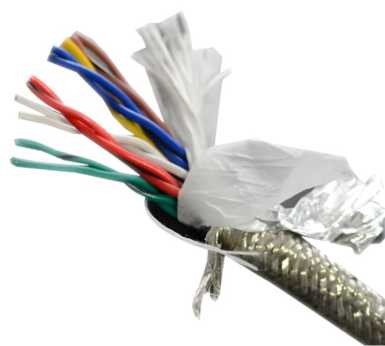
Typical Applications:
ROV/AUV internal harness systems
Pressure vessel feed-through connections
360-Degree Anti-Twist Underwater ROV Cable
Prevents cable kinking and torsion damage during vehicle rotation and maneuvering.
Typical Applications:
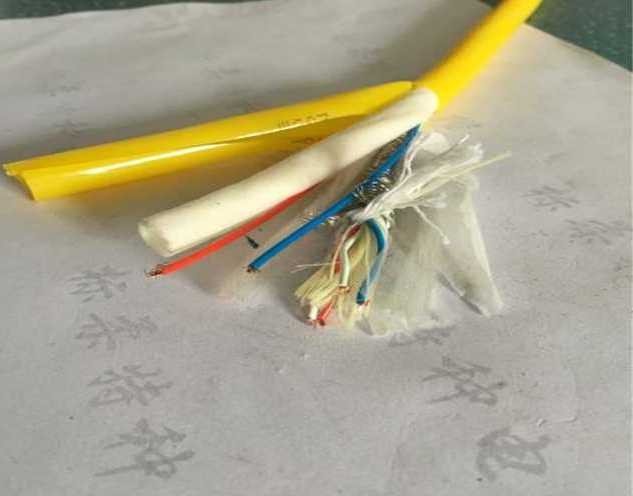 Inspection-class ROVs with pan/tilt cameras
Manipulator-intensive work-class ROVs
ROV Neutral Buoyancy Tether Cable
Near-zero buoyancy design minimizes drag and vehicle power consumption during operation.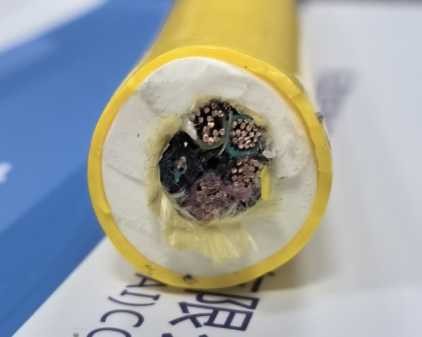
Typical Applications:
Shallow-water survey AUVs
Station-keeping ROV inspections
ROV Umbilical Cable
Primary tether for power delivery, high-bandwidth telemetry, and vehicle control from surface.
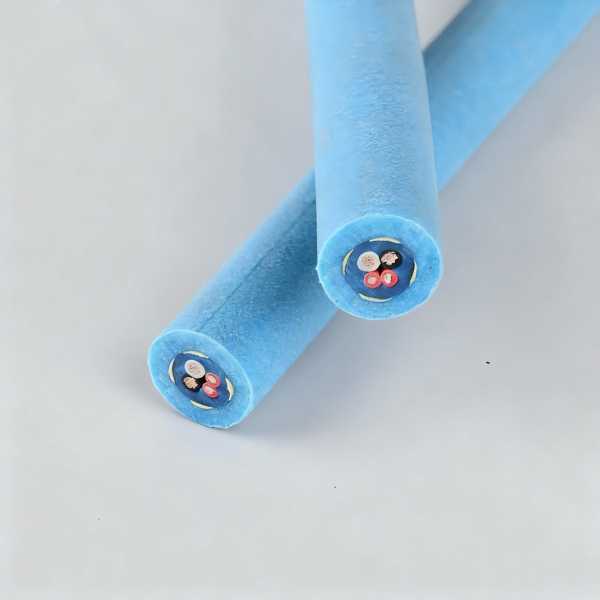
Typical Applications:
ROV deep-sea intervention
Subsea construction support vehicles
Customization Available
Request a Free Sample, you only pay the shipping.
Autonomous Underwater Vehicles (AUVs), Remotely Operated Vehicles (ROVs), and automated underwater platforms are critical tools in ocean exploration and data collection. Underwater cables provide these systems with the essential power supply and real-time data transmission.
This configuration supports sustained operations for tasks such as deep sea imaging, enabling sustained operation in under sea environments for applications including seabed survey, pollution monitoring, and resource exploration, where cables must offer high pressure resistance, corrosion resistance, and high-bandwidth data transmission capabilities to ensure long term operational stability.