

Marine Seismic Survey Systems

Marine Seismic Survey Cable
Marine Seismic Survey Cables are specialized subsea cables designed for reliable power, signal and data transmission in offshore geophysical exploration systems, where seawater exposure, mechanical stress and demanding deployment conditions challenge cable performance during marine survey operations.
RouLine develops customized seismic umbilicals for marine seismic survey systems, including ROV-integrated survey equipment. Cable structures, conductor configurations, shielding and protective materials can be tailored to meet specific operational and installation requirements.

Cable Requirements
Marine seismic cable solutions require highly integrated umbilical cable designs that combine power, control, signal, gas and fluid transmission within a single cable structure while maintaining reliable performance during continuous towing and dynamic offshore operations.
Integrated Gas and Fluid Transmission
Gas Venting Channel
↗High-pressure gas transmission
↗Reliable sealing performance
↗Integrated cable construction
Fluid Venting Channel
↗Hydraulic control
↗Precision fluid delivery
↗Reliable offshore operation
Integration with Survey and ROV Equipment
↗combine sensors, power supply, control signals, and fiber optics
↗customized to match the system architecture and equipment integration requirements.
Continuous Flexibility for Towed Operations
↗Continuous flexibility during deployment
↗Stable mechanical performance under dynamic loads
↗Long service life in marine environments
Cable Solutions
RouLine provides customized seismic cable solutions for marine seismic survey systems, with configurations selected according to transmission requirements, deployment methods and offshore operating conditions.
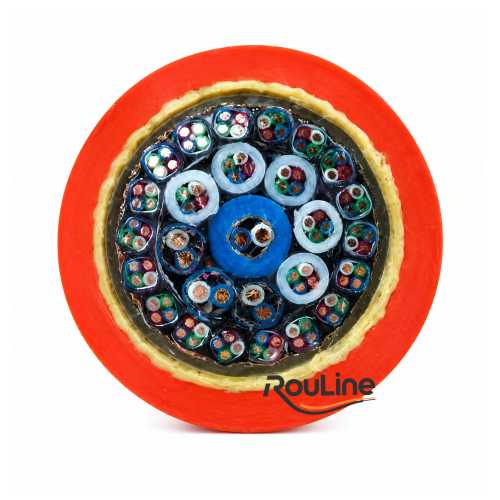
Hybrid Subsea Cable
Designed for marine seismic survey systems requiring enhanced mechanical protection, abrasion resistance, and reliable operation in demanding subsea environments.
→ View more about Hybrid Subsea Cable
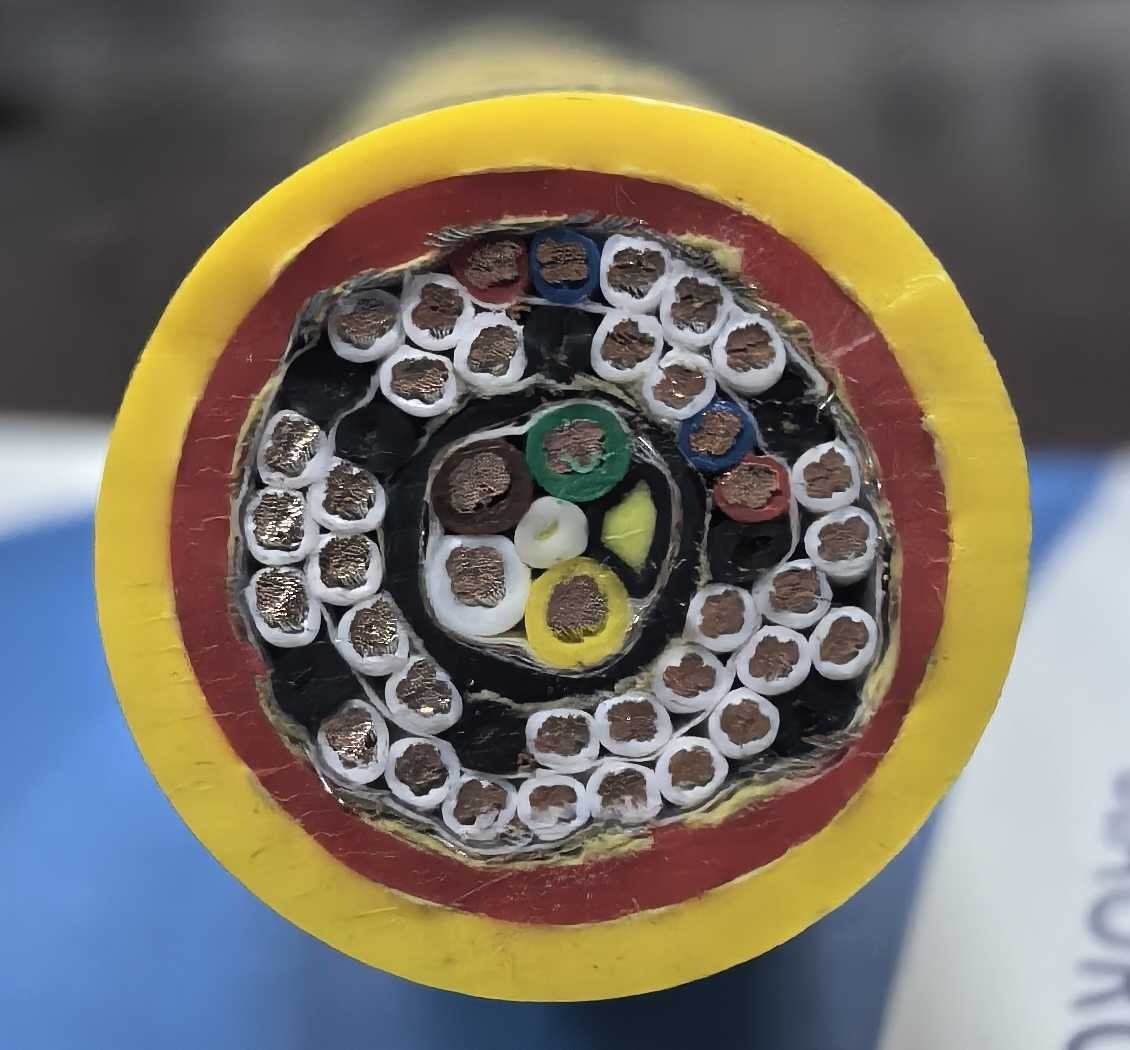
ROV Umbilical Cables
Suitable for marine seismic survey systems involving ROVs, providing combinations of power, control, signal, and communication functions.
→ View more about ROV Umbilical Cables
Pneumatic Umbilical Cable 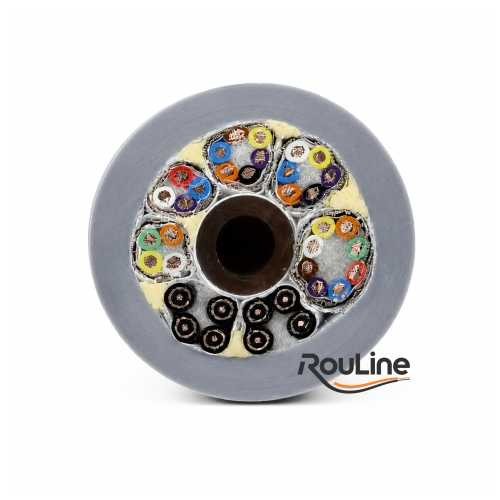
Designed for applications requiring integrated high-pressure gas transmission together with electrical and control functions. Suitable for marine seismic air gun systems and other offshore equipment requiring reliable pneumatic transmission.
→ View more about Pneumatic Umbilical Cable
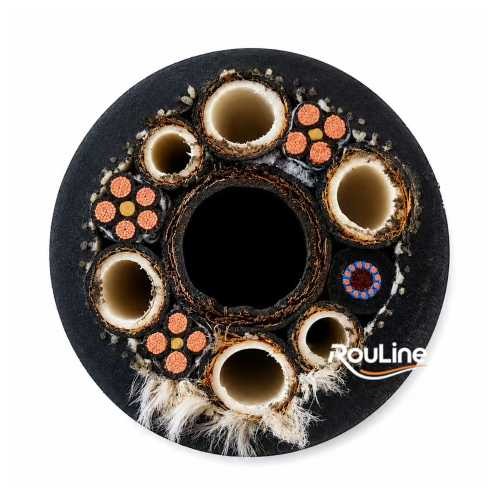
Hydraulic Umbilical Cable
Designed for systems requiring integrated hydraulic channels alongside power, signal and control transmission. Suitable for offshore equipment requiring precise hydraulic control and long-term operational reliability.
→ View more about Hydraulic Umbilical Cable
Custom Cable Engineering Capability
Custom Cable Design
Cable structures are engineered according to application requirements, including electrical configuration, mechanical loads and installation conditions.
Material Selection
Materials are selected based on environmental factors such as seawater exposure, temperature, abrasion and flexibility requirements.
Manufacturing & Assembly
From conductor preparation and insulation extrusion to shielding, armouring and final assembly, our manufacturing processes are controlled to deliver reliable custom cables for demanding industrial and subsea applications.
Testing Capability
Mechanical and electrical testing is performed to verify cable reliability and performance before delivery.
FAQ
1. What are marine seismic survey cables used for?
Marine seismic survey cables are used in offshore geophysical exploration systems to connect seismic sensors, survey equipment and surface support systems for power delivery, signal transmission and data communication. They are designed for reliable underwater operation where seawater resistance, flexibility, mechanical strength and stable transmission performance are critical.
2. What is a seismic umbilical cable?
A seismic umbilical cable is an integrated cable assembly designed to provide power, control and communication connections between marine seismic equipment and surface support systems. Seismic umbilical cables can combine multiple functions, including power conductors, signal cores and fiber optic channels, within a reinforced cable structure for complex offshore survey operations.
3. What is a gun umbilical cable used for in marine seismic systems?
Gun umbilical cables connect marine survey vessels with underwater air gun systems used for seismic data acquisition. They provide essential functions such as power supply, triggering, control and synchronization, ensuring reliable operation of seismic source equipment during offshore surveys.
4. Can seismic cables integrate power, signal and fiber optic channels?
Yes. Customized seismic survey cable systems can integrate power conductors, control cores, signal transmission elements and fiber optic components within a single cable structure. This integrated design enables power supply, equipment control and high-speed data communication through one cable solution, reducing system complexity and improving connection reliability.
5. How are marine seismic cables designed for continuous towing operations?
Marine seismic cables are designed to withstand repeated bending, dynamic mechanical stress and long-term movement during towing operations.
Key design considerations include:
- Flexible cable materials and construction
- Mechanical reinforcement for tensile and bending loads
- Water-resistant protection for offshore environments
- Stable performance during repeated deployment and recovery cycles
Cable structures can be customized according to towing speed, deployment depth and operational requirements.
6. Can subsea cables be customized for marine survey systems?
Yes. Custom subsea cable solutions can be developed according to marine survey requirements, including conductor configuration, shielding design, mechanical reinforcement, waterproof protection and integrated functional structures. Customized cable designs help match specific equipment interfaces, installation methods and offshore operating conditions.


